Skip to content

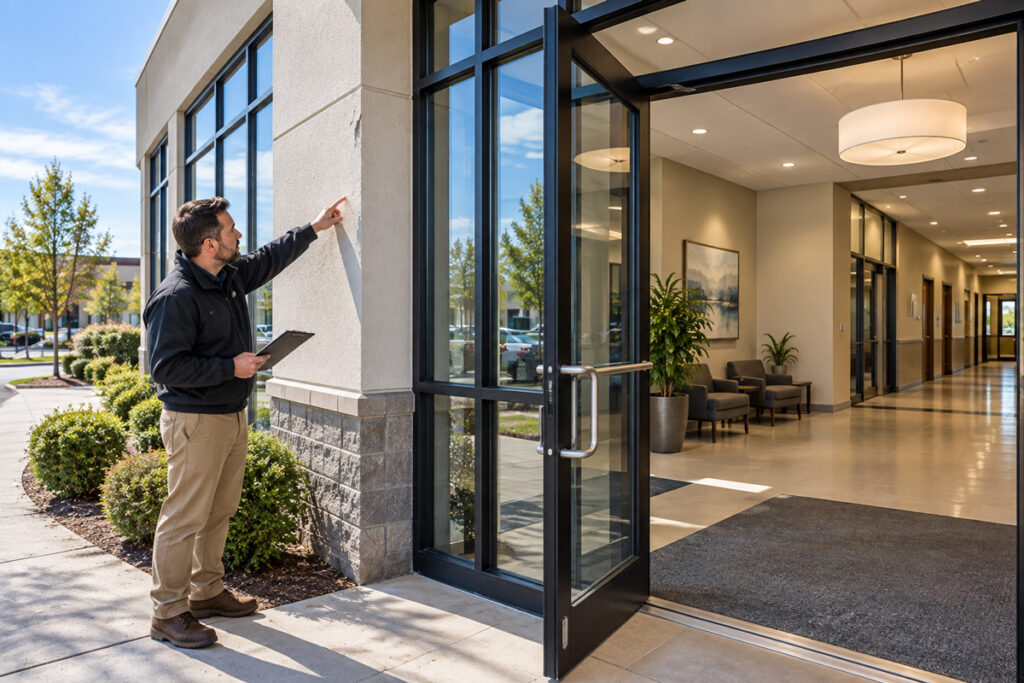
Your commercial building needs work. The exterior paint has started to show its age, but the hallways and common areas could also use a refresh. If your budget does not allow you to tackle everything at once, where should you start?
The answer depends on more than appearance.
When deciding between interior and exterior commercial painting, facility managers should consider the condition of existing surfaces, exposure to moisture and weather, how people use the building, and which areas affect daily operations most.
At Profeta Painting, we help commercial property owners and facility managers in Rochester evaluate those factors and determine which projects deserve attention first.
Interior vs. Exterior Commercial Painting: Start With Condition
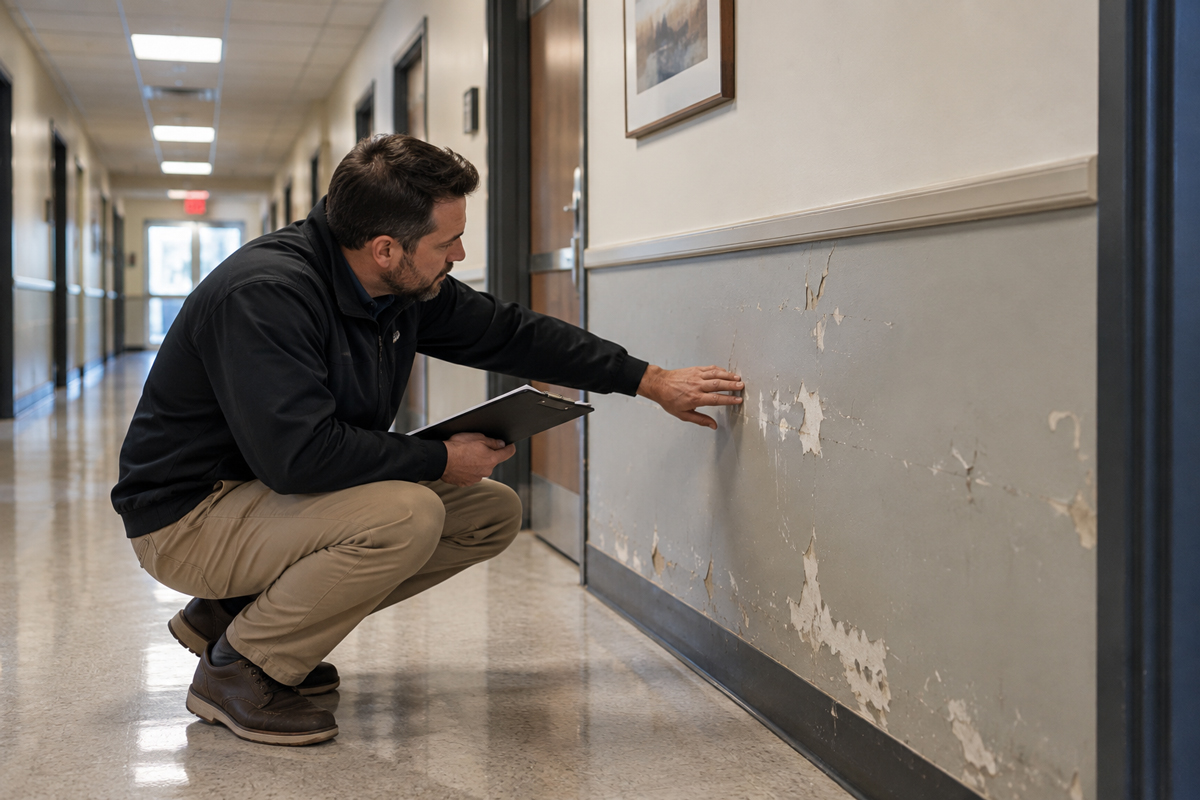
Before choosing between interior and exterior painting, inspect both areas carefully.
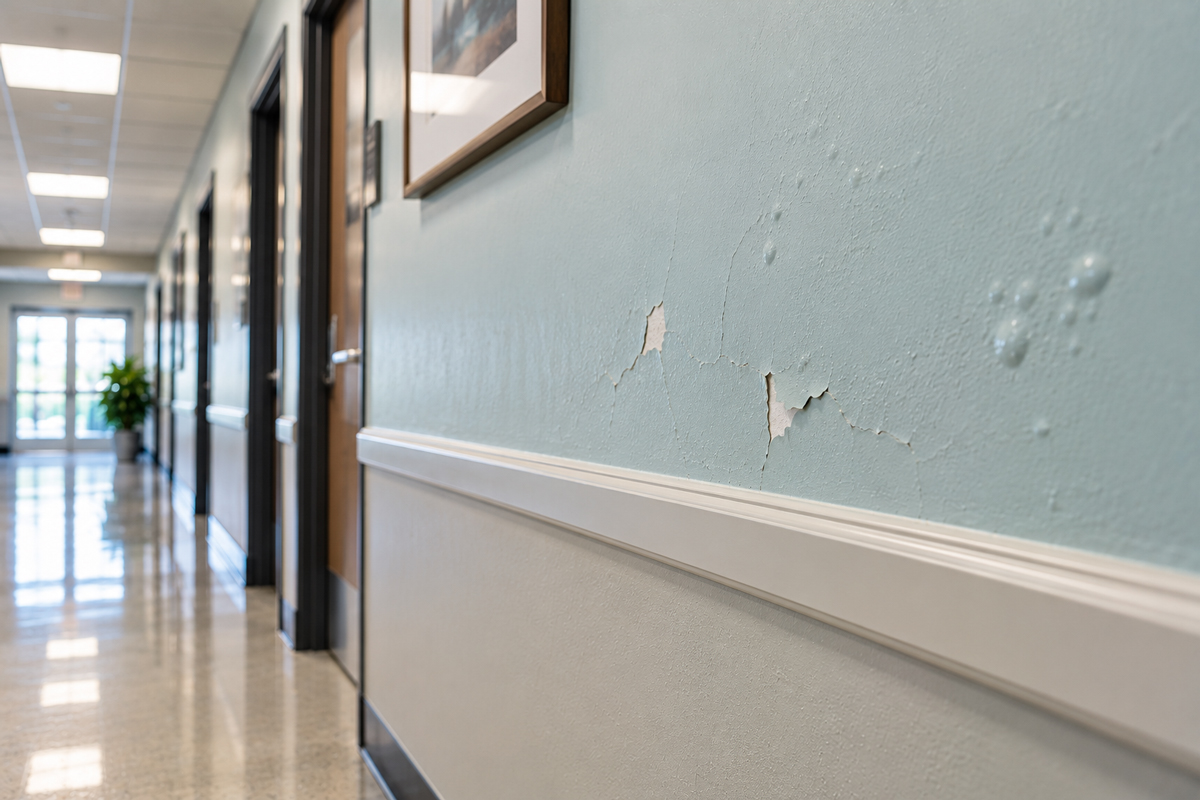
Look beyond whether a color appears faded or outdated. Instead, check for peeling, cracking, bubbling, exposed surfaces, water stains, rust, heavy scuffing, and other signs of deterioration.
As discussed in When Should You Repaint a Commercial Building? Signs Facility Managers Should Watch For, paint condition often provides a better guide than following a predetermined repainting schedule.
If one area shows active deterioration while the other simply looks dated, the deteriorating surface will often deserve attention first.
This approach helps facility managers direct maintenance dollars toward actual building needs instead of making the decision based solely on appearance.
When Exterior Commercial Painting Should Come First
Exterior paint has an important job. In addition to improving a property’s appearance, the right coating system helps protect surfaces from environmental exposure.
Therefore, exterior painting may need to take priority when you see peeling or flaking paint, exposed substrates, deteriorating coatings, corrosion on painted metal, or other signs that exterior surfaces are losing protection.
Moisture deserves particular attention. The U.S. Environmental Protection Agency recommends inspecting exterior walls for signs of moisture, cracking, movement, and other deterioration as part of building maintenance. The EPA also emphasizes controlling water intrusion to help prevent damage to buildings and their materials.
Facility managers can review the EPA’s Moisture Control Guidance for Building Design, Construction and Maintenance for additional information.
If your building’s exterior coating has begun to fail, delaying the project may allow the underlying surface to remain exposed to conditions it was intended to resist.
Profeta Painting’s How Exterior Paint Protects Your Building from the Elements explores this protective role in more detail.
When Interior Commercial Painting Should Take Priority
Sometimes the exterior remains in good condition while the interior clearly needs attention.
High-traffic commercial interiors can accumulate scuffs, marks, scratches, stains, and other signs of wear. Entrances, lobbies, hallways, stairwells, conference rooms, common areas, and other frequently used spaces often show deterioration first.
Interior painting may deserve priority when these areas affect the experience of customers, tenants, employees, residents, or visitors.
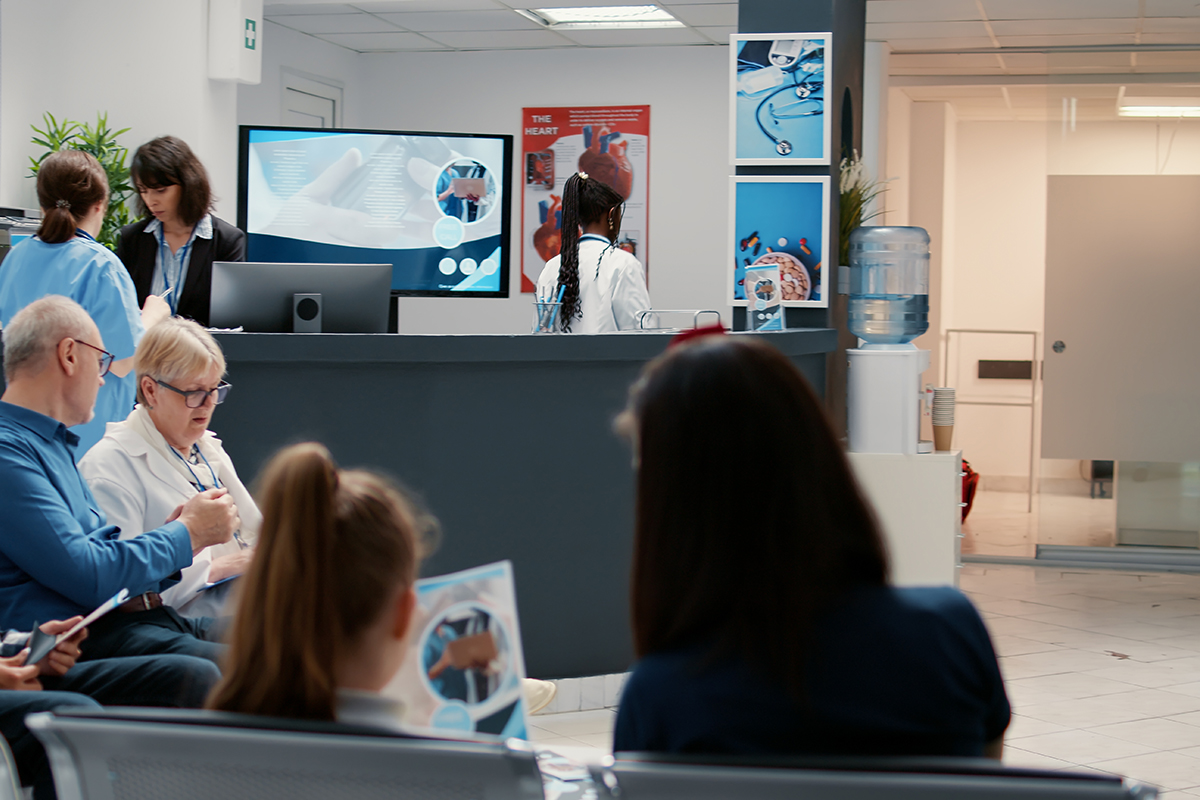
For example, an office building may have an exterior coating that still performs well while its lobby and shared hallways look noticeably worn. A retirement community may need more frequent attention in corridors and common spaces because of daily traffic. Likewise, a retail or customer-facing facility may prioritize areas that contribute heavily to a visitor’s first impression.
Profeta Painting’s Why Your Entryway Is the Most Important Space discusses why these highly visible areas deserve particular attention.
Rochester Weather Can Change Exterior Painting Priorities
Commercial buildings in Rochester experience changing weather conditions throughout the year, including rain, snow, freezing temperatures, summer heat, and seasonal temperature changes.
Consequently, facility managers should not evaluate exterior paint solely by how it looks from the parking lot.
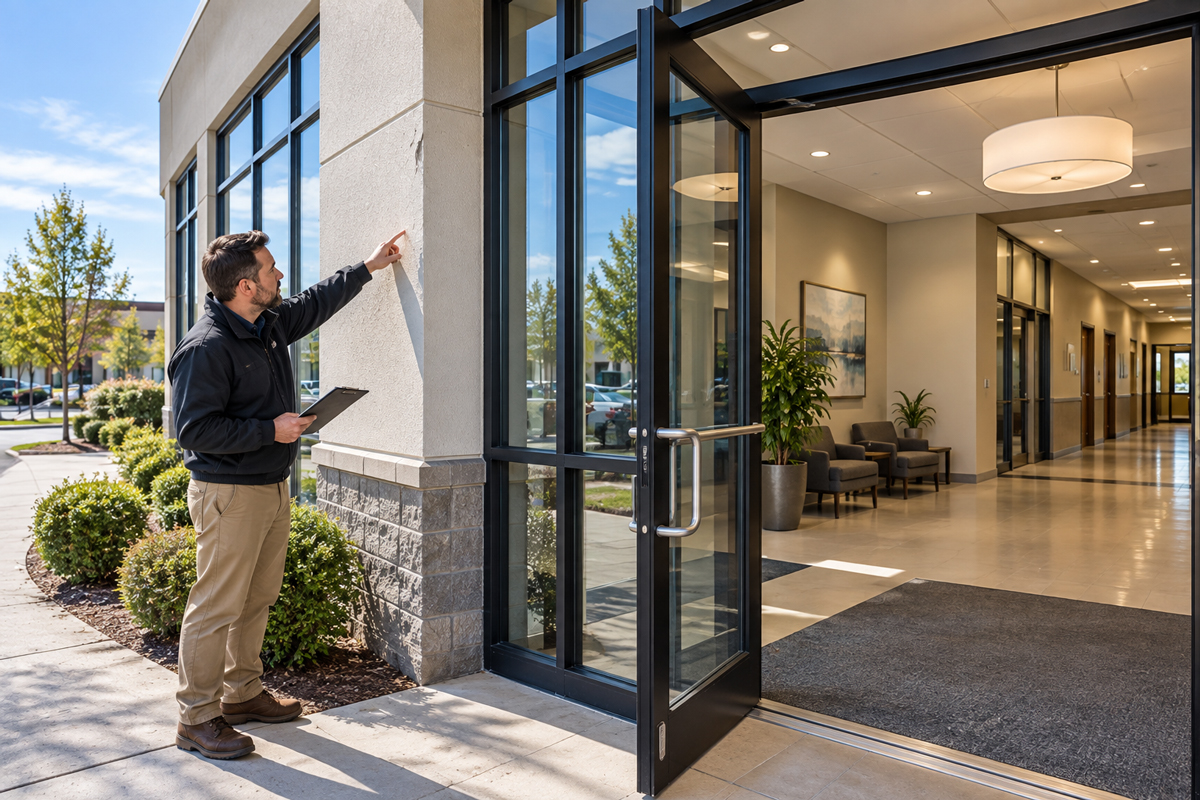
Inspect painted exterior surfaces closely. Pay particular attention to areas around entrances, windows, doors, trim, masonry, metal surfaces, and locations where water tends to collect or travel.
If you find peeling paint, cracking, corrosion, or signs of moisture intrusion, address the source of the problem before repainting. New paint cannot correct an underlying leak or other building-envelope issue.
Exterior maintenance becomes especially important when coatings serve as part of a broader system protecting vulnerable surfaces.
Consider How People Use Your Commercial Building
Condition should come first, but building use also matters.
A warehouse has different priorities than an office building. A school operates differently from a retirement community. Likewise, a multi-tenant commercial property may place greater emphasis on entrances, lobbies, corridors, and shared spaces.
Ask which areas receive the most traffic and which spaces have the greatest effect on everyday operations.
If your building remains occupied throughout the project, scheduling should also factor into the decision. Profeta Painting can phase work by area and coordinate painting around normal operations. Our Painting Occupied Facilities Without Disrupting Operations article explains how careful scheduling can make commercial painting easier for employees, tenants, residents, and visitors.
Ultimately, the best painting plan should reflect how the building actually functions.
Safety and Surface Protection May Override Appearance
A faded wall may look unattractive, but an actively deteriorating surface can represent a more pressing maintenance concern.
For example, worn safety markings in an industrial facility may deserve attention before repainting an office. Similarly, deteriorating coatings on exposed metal or concrete may take priority over an interior color update.
Profeta Painting’s Safety Striping and Floor Markings That Prevent Accidents explains how visible markings contribute to organized commercial and industrial environments.
When budgets are limited, separating cosmetic improvements from protective and operational needs can make prioritization much easier.
How to Prioritize Commercial Painting on a Limited Budget
If both your interior and exterior need work, you do not necessarily need to complete everything at once.
Start by identifying surfaces with active deterioration or underlying moisture problems. Next, consider areas where coatings protect exposed materials or support operational needs. From there, prioritize high-traffic and highly visible spaces. Purely cosmetic updates in lower-use areas can often come later.
This process creates a practical roadmap instead of turning commercial painting into one large expense.
It also allows facility managers to plan projects around annual budgets and operational schedules.
A Phased Commercial Painting Plan Can Address Both
Choosing between interior and exterior painting does not have to mean postponing one indefinitely.
A phased maintenance painting plan allows you to address the most important areas first while creating a schedule for the rest of the property. For example, a facility might complete exterior maintenance this season, repaint high-traffic interior areas during the next phase, and schedule lower-priority spaces later.
This is where ongoing maintenance painting, also referred to by Profeta Painting as service painting, can be particularly valuable.
Instead of waiting until an entire property needs repainting, facility managers can address surfaces as they begin to show wear. Profeta’s Maintaining Your Commercial Paint Job Year After Year provides additional information about taking a proactive approach to commercial paint maintenance.
Making the Right Commercial Painting Decision
There is no universal answer to whether interior or exterior commercial painting should come first.
If exterior coatings have begun to fail, protecting the building may become the priority. If the exterior remains sound but heavily used interior spaces look worn, repainting those areas may provide greater immediate value.
Most importantly, look at the building as a whole. Consider surface condition, moisture exposure, traffic, visibility, operations, and budget before deciding where to begin.
A thoughtful plan can address immediate needs while creating a realistic schedule for the rest of the property.
If you’re deciding between interior and exterior commercial painting, contact Profeta Painting to evaluate your Rochester-area facility and develop a phased painting plan based on your building’s condition, priorities, and budget.