Skip to content
How Professional Commercial Painting Minimizes Disruption in Occupied Facilities and Active Work Environments
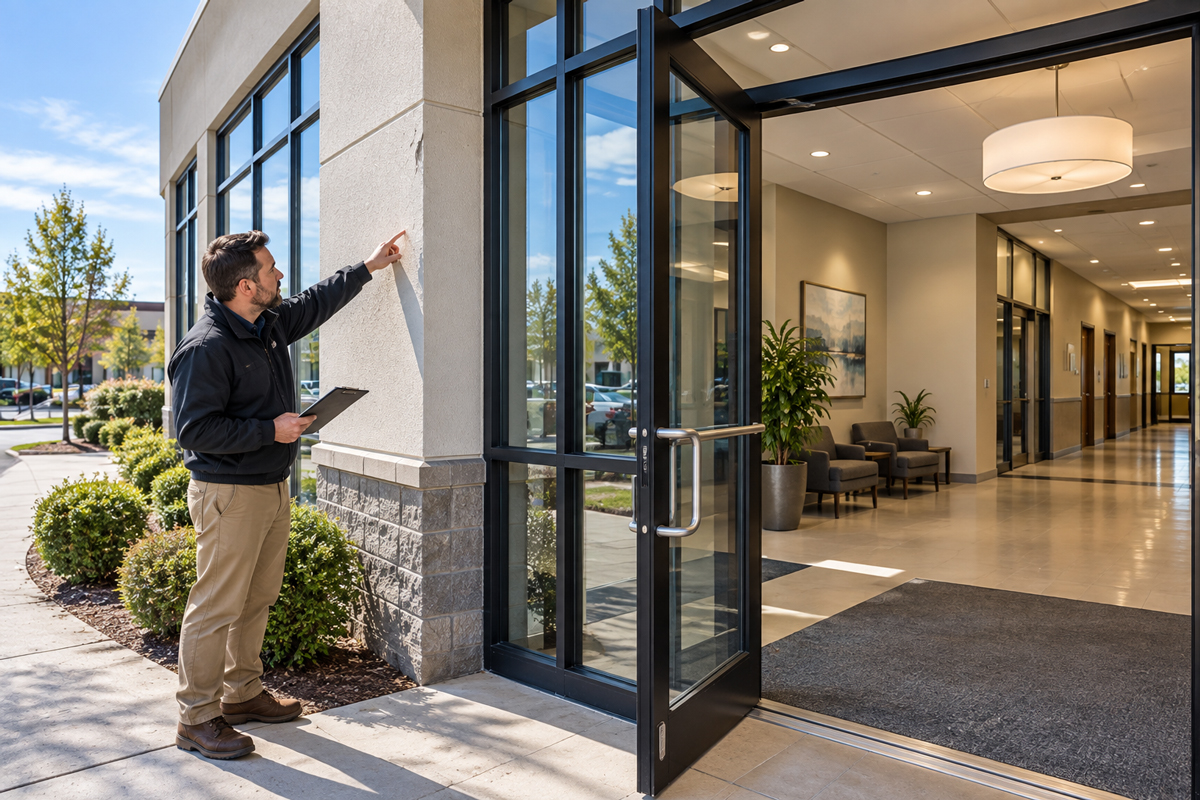
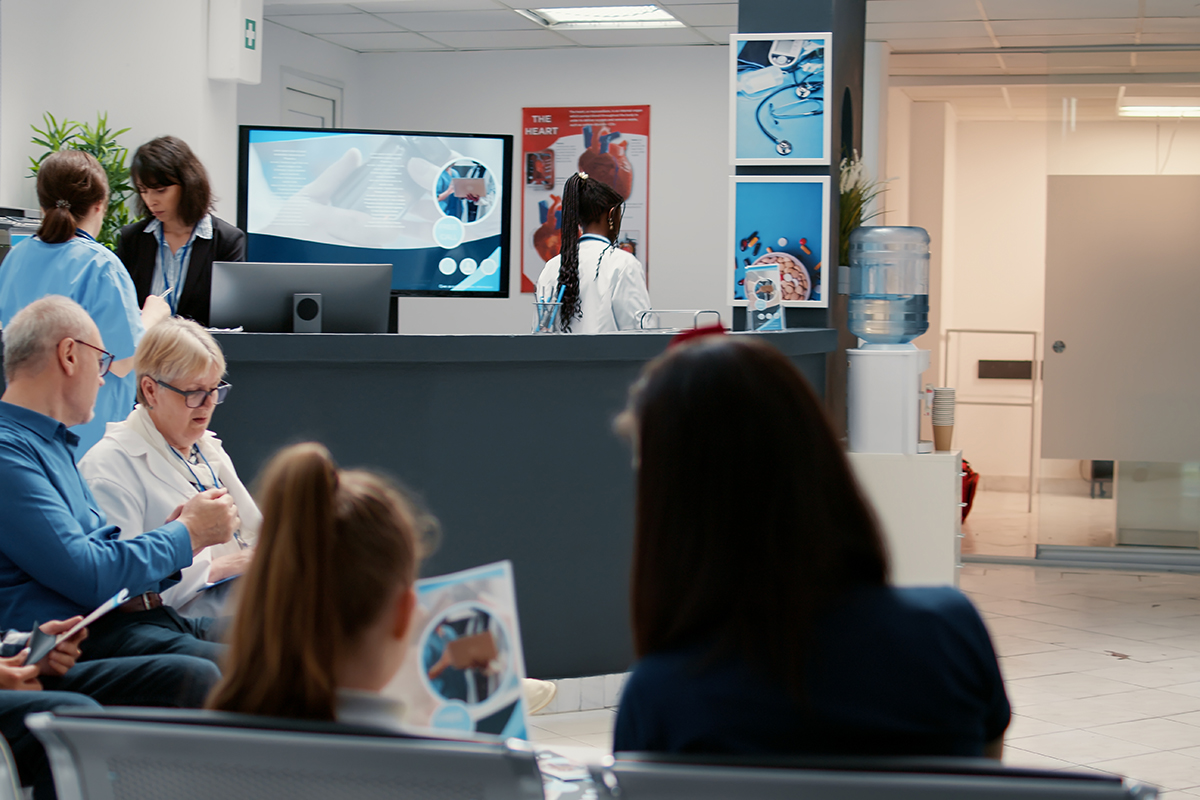
Many commercial buildings cannot pause operations for a painting project. Office buildings remain open, retirement communities continue caring for residents, healthcare-adjacent facilities serve patients, and warehouses keep products moving. Every day of downtime affects productivity, revenue, and customer satisfaction.
Fortunately, a professional commercial painting project does not have to interrupt daily operations. With thoughtful planning, clear communication, and experienced crews, facilities can stay open while improvements take place.
At Profeta Painting, we understand that successful commercial painting is about more than applying paint. It is about completing projects safely, efficiently, and with as little disruption as possible.
Occupied Facility Painting Requires Careful Planning
Every occupied facility has its own schedule, priorities, and challenges. An office building has different needs than a retirement community, manufacturing facility, or parking garage.
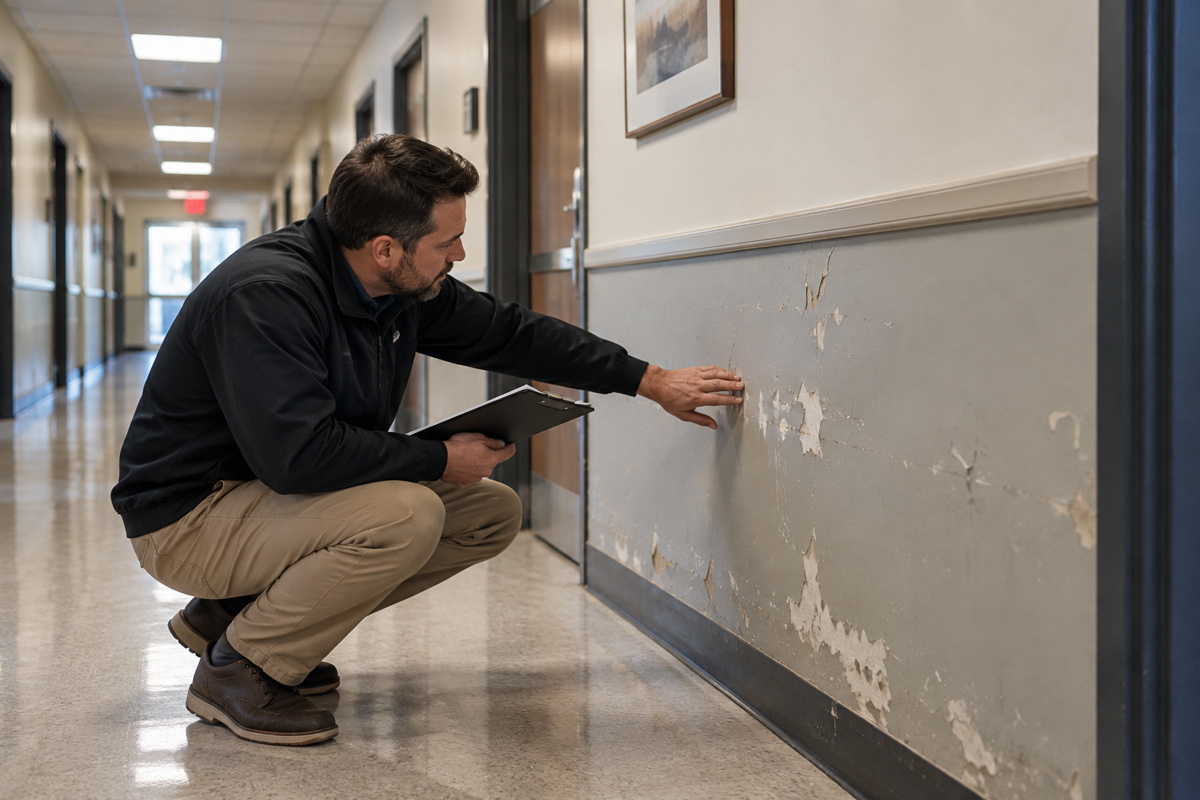
Because of this, successful commercial painting begins long before the first brush or roller touches a surface. Contractors should meet with facility managers, understand daily operations, and develop a phased work plan that minimizes interruptions.
Planning also helps identify high-traffic areas, emergency access routes, and spaces that require special accommodations. When everyone understands the schedule, projects move more efficiently from start to finish.
Phased Commercial Painting Keeps Businesses Operating
One of the most effective ways to reduce disruption is through phased painting. Rather than repainting an entire building at once, crews complete one section at a time.
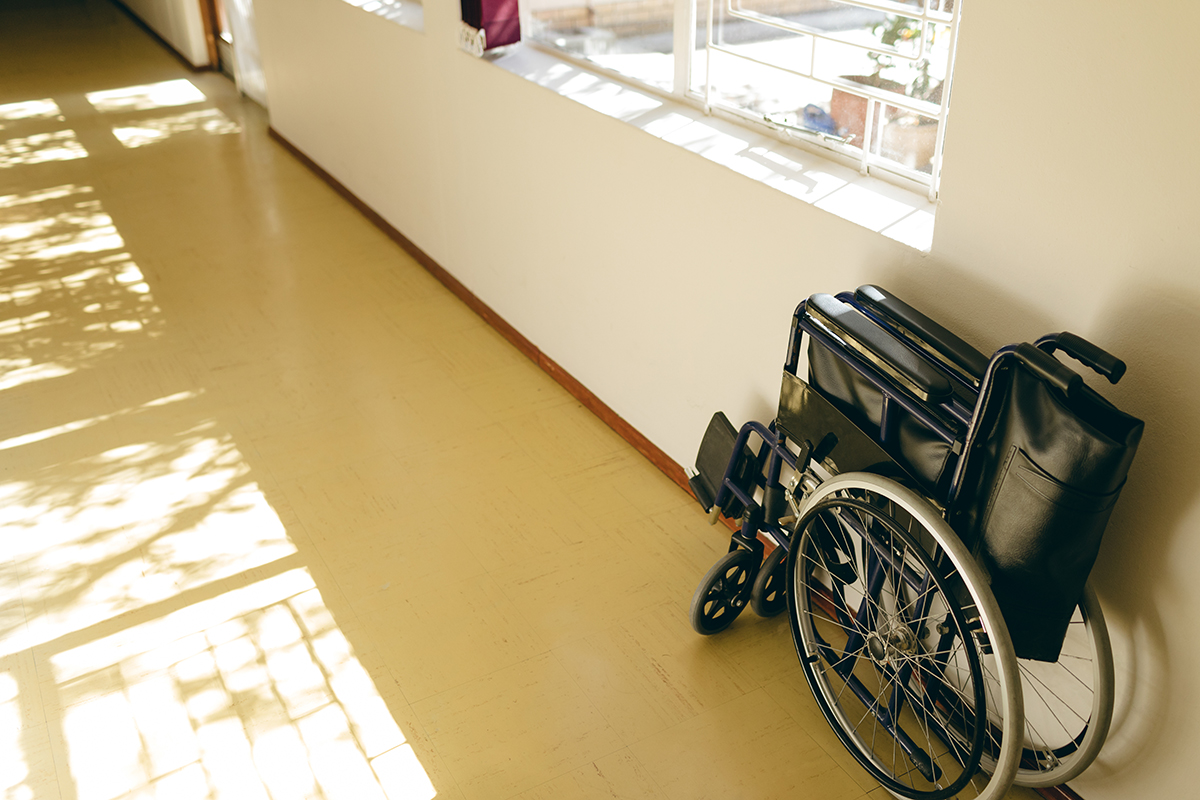
For example, an office building may repaint one floor or department while employees continue working in another area. A retirement community may schedule work by wing or common area to maintain resident comfort. Likewise, a warehouse may complete projects around production schedules instead of stopping operations.
This approach keeps facilities functioning while still making steady progress.
Clear Communication Makes Commercial Painting Projects More Successful
Communication is just as important as craftsmanship. Facility managers, employees, tenants, and visitors all benefit when they know what to expect.
Before work begins, professional contractors should provide a clear schedule and explain how each phase will affect the building. During the project, regular updates help everyone prepare for temporary changes.
Additionally, clear signage and designated work zones improve safety while helping people move comfortably throughout the facility.
Strong communication builds confidence and prevents unnecessary frustration.
Low-VOC Paint Supports Occupied Commercial Buildings
Product selection also matters when people remain inside the building during a project. Strong odors and poor indoor air quality can create unnecessary discomfort for employees, residents, and visitors.
For this reason, many occupied facilities choose low-VOC or zero-VOC coatings whenever possible. These products help reduce odors while supporting healthier indoor environments.
The U.S. Environmental Protection Agency notes that choosing lower-emission products can help improve indoor air quality in occupied buildings. This makes product selection an important part of project planning, not simply a finishing detail.
Commercial Painting Requires Clean and Safe Job Sites
Maintaining a clean work area is essential in occupied facilities. Paint supplies, ladders, and equipment should never interfere with normal operations.
Professional painting crews establish clearly defined work zones, protect surrounding surfaces, and clean the area at the end of each workday. This reduces safety risks while helping businesses continue serving employees, customers, and visitors.
Attention to detail also demonstrates respect for the people using the building every day.
Flexible Scheduling Minimizes Business Disruptions
Not every project needs to happen during normal business hours. In many cases, flexible scheduling provides the best solution.
Evening, weekend, or off-hour painting allows contractors to complete work when fewer people occupy the building. High-traffic areas, conference rooms, lobbies, and shared spaces often benefit from this approach.
At Profeta Painting, we work closely with facility managers to develop schedules that fit operational needs while keeping projects on track.
Experience Matters When Painting Occupied Facilities
Painting an occupied building requires more than technical skill. Contractors must understand logistics, safety, communication, and project coordination.
Experienced commercial painters know how to adapt when schedules change, unexpected needs arise, or facilities require additional flexibility. They understand how to work professionally around employees, tenants, residents, and visitors while maintaining a clean and organized job site.
That experience helps projects stay on schedule without sacrificing quality.
Professional Commercial Painting Protects Your Business and Your Reputation
Every commercial painting project reflects on the property itself. A well-managed project shows tenants, employees, residents, and customers that building ownership values professionalism and long-term maintenance.
When projects are organized, respectful, and minimally disruptive, businesses receive the benefits of fresh paint without unnecessary inconvenience.
Whether you manage an office building, retirement community, healthcare-adjacent facility, warehouse, or multi-tenant commercial property, the right contractor can make all the difference.
If you need commercial painting completed without disrupting your daily operations, contact Profeta Painting to develop a customized project plan that keeps your facility running smoothly while achieving exceptional results.